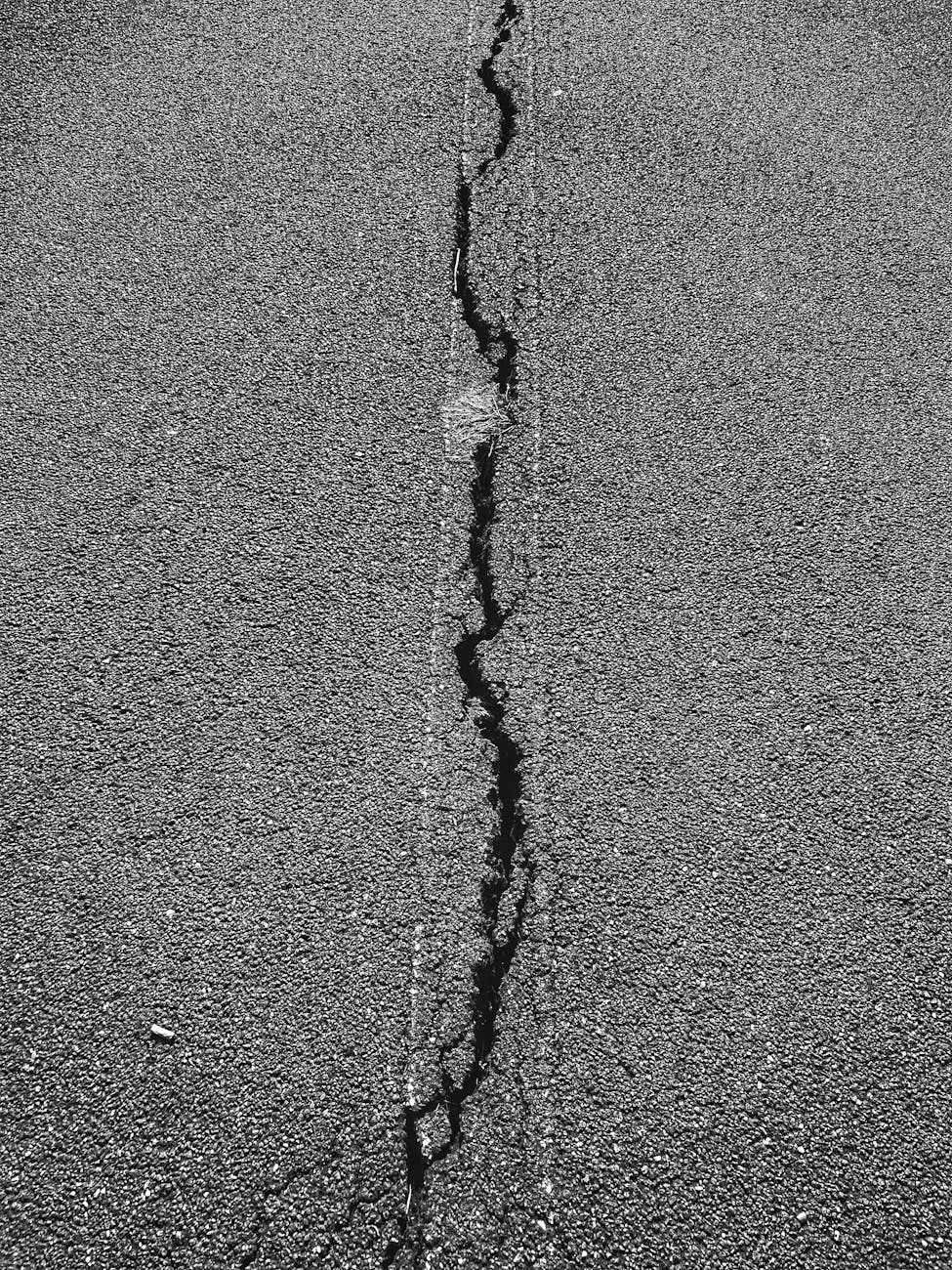
Canadian winters are tough not only on people but also on asphalt surfaces. After months of freezing temperatures, heavy snow accumulation, and repeated freeze-thaw cycles, cracks in asphalt driveways, parking lots, and roadways often become impossible to ignore. As a result, spring becomes the most important time to address this damage before it develops into costly structural failure.
By understanding why asphalt cracks after winter and how professional repair works property owners can better protect their investment and significantly extend the lifespan of their pavement.
Why Winter Causes Asphalt Cracks
The primary enemy of asphalt in Canada is the freeze-thaw cycle. During warmer periods, water seeps into small surface imperfections. When temperatures drop, that trapped moisture freezes and expands, forcing the asphalt apart from the inside. Over time, this cycle repeats dozens of times throughout winter, turning minor hairline cracks into noticeable structural damage.
In addition, heavy snow loads, plowing pressure, road salt, and constant vehicle traffic further accelerate deterioration. Consequently, asphalt surfaces weaken rapidly especially in parking lots and high-use driveways.
Why Cracks Should Be Repaired Early
Ignoring asphalt cracks after winter is a common and expensive mistake. Even small cracks allow water to penetrate deeper into the pavement. As a result, deterioration accelerates and can eventually lead to potholes, surface collapse, and base failure.
Early crack repair, however, offers several important benefits:
-
Prevents moisture infiltration
-
Reduces long-term repair costs
-
Improves safety and curb appeal
-
Extends the lifespan of asphalt surfaces
Moreover, for commercial properties, untreated cracks can create liability risks if pedestrians trip or vehicles sustain damage.
Residential vs. Commercial Asphalt Crack Repair
Residential asphalt crack repair typically focuses on driveways and private access roads. While cracks may seem cosmetic at first, early intervention can prevent full driveway replacement in the future. Professional sealing restores flexibility to the asphalt and protects it from further weather exposure.
Commercial crack repair, on the other hand, is more complex. Parking lots, loading zones, and access lanes experience constant traffic and heavier loads. Therefore, repairs must be durable, carefully scheduled, and compliant with safety standards. Professional contractors rely on commercial-grade materials specifically engineered to withstand high stress and harsh conditions.
Professional Crack Repair Methods
Professional asphalt crack repair involves far more than simply filling visible gaps. Typically, the process includes:
-
Cleaning and preparing the crack
-
Removing debris, moisture, and vegetation
-
Applying hot rubberized crack filler or sealant
-
Ensuring proper bonding and long-term flexibility
In some cases, wider cracks require routing or specialized sealing. These techniques allow the asphalt to expand and contract naturally without reopening.
Companies like ProZone use proven materials and repair methods designed specifically for Canadian climate conditions.
The Best Time to Repair Asphalt Cracks
Spring and early summer provide ideal conditions for asphalt crack repair. Moderate temperatures allow sealants to cure properly and bond effectively with the pavement surface. At the same time, addressing damage early prepares asphalt for sealcoating later in the season, which further improves durability and appearance.
Delaying repairs, however, often leads to more invasive and far more expensive solutions down the road.
Protect Your Asphalt with ProZone
Whether you manage a commercial parking lot or want to protect your residential driveway, ProZone provides professional asphalt crack repair services tailored to Canadian weather conditions. With experienced crews, high-quality materials, and a focus on long-term results, ProZone helps prevent minor winter damage from becoming a major problem.? Contact ProZone today to schedule an asphalt inspection and restore your pavement after winter before cracks turn into costly repairs.